The Name Before the Signature: Meiko Haigou’s Small Rituals for a Long Convention Line
At a big US anime convention, the autograph line can look less like a meet-and-greet and more like a very polite traffic jam. Fans clutch posters, sketchbooks, and sometimes a friend’s hand. Volunteers wave people forward. The hall hums. And at the end of all that, behind a table, sits Meiko Haigou with a Sharpie and a stack of sticky notes.
The table is the first clue. Meiko does not treat signing as a quick transaction tacked onto a panel schedule. For her, the autograph line is part of the performance — quieter than a stage, maybe, but just as real. The goal is not to move hundreds of people through in record time. The goal is to make each person feel like they had a moment, even if that moment lasts fifteen seconds.
The Table Is Part of the Performance
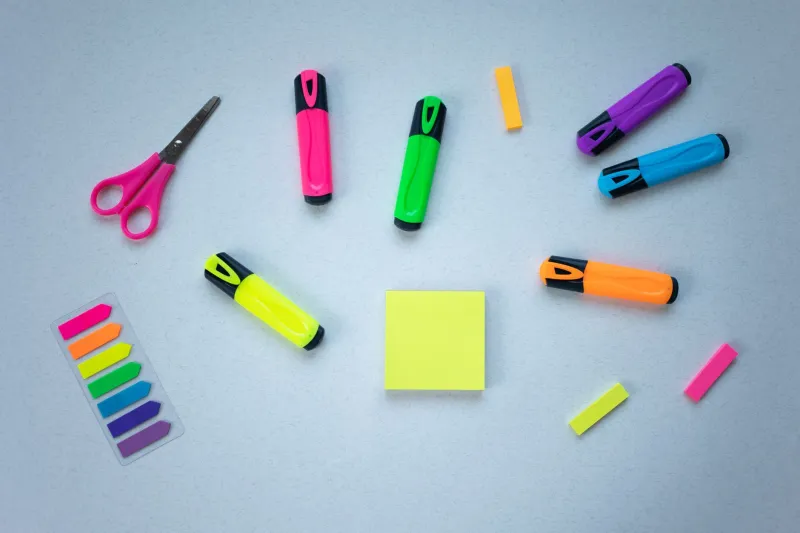
Her signing setup is not glamorous, and that is the point. There is a cup of markers within reach. There are sticky notes in a few colors. There is a small laminated card with helpful phrases in English and Japanese. There is hand sanitizer, because conventions are conventions. Nothing about the arrangement says hurry up.
That matters more than it sounds. A clean, organized table tells fans that the guest is present. Meiko often waits for eye contact before she uncaps a marker. It is a small pause, but it changes the temperature of the interaction. The fan stops apologizing for taking time. The volunteer at the end of the table sees that the pace is intentional. The line may still be long, but it no longer feels like a scolding.
A Sharpie, a Sticky Note, and a Plan
Meiko’s most useful tool is not the marker. It is the sticky note.
Before she signs a print or a book, she often asks the fan’s name and writes it on a note first. This does two things. It gives her a chance to check spelling and pronunciation, and it gives the fan a tiny task to focus on instead of their own nerves. If the name is common, she may ask whether they want it in English letters, Japanese characters, or both. If the name is unusual, she repeats it back. If the hall is loud, she leans in.
That little note also helps with the queue. When a line is moving quickly, Meiko can keep the personalization straight without rushing the fan in front of her. The note becomes a placeholder, a scratch pad, a warm-up lap. By the time the marker touches the actual item, the name is already settled. The signature looks steadier because the moment is steadier.
For 2026 convention organizers, the takeaway is simple: give guests a few basic supplies beyond the signing pen. Sticky notes, scrap paper, and a small tray for personal items cost almost nothing. They also save time, because the guest is not trying to juggle a fan’s phone, a poster tube, and a pronunciation question all at once.
The Bilingual Card That Saves the Moment
Meiko keeps a small bilingual card on the table for the moments when words get shy. It includes phrases like thank you for waiting, how do you say your name, one moment please, and I love that character too. The card is not a script. It is a bridge.
At US conventions, guests and fans often meet in the middle of two languages. A fan may have practiced one sentence in Japanese for weeks and then forget it completely. A guest may understand English perfectly well but lose the thread in a noisy hall. The card gives both people somewhere to look and something to point at. It turns a possible awkward silence into a shared joke.
Meiko uses it lightly. She might tap the card, smile, and wait. Fans often relax immediately. That is the real function of the card: not translation, exactly, but permission. Permission to be nervous. Permission to take a second. Permission to ask for help without feeling like a bother.
For the Fan Who Forgets Their Own Name
Every autograph line has at least one person who blanks. They get to the table, realize they are actually meeting Meiko Haigou, and suddenly cannot remember their own name, let alone the character they wanted to mention.
Meiko handles this with a kind of practiced patience. She does not fill the silence with a rush. She waits. If the fan apologizes, she waves it off. The line is long, she says. That is not the fan’s fault. If the fan is stuck between two spellings, she offers choices. If they forget what they wanted signed, she helps them set their items down and start again.
This is not just good manners. It is good line management. A flustered fan takes longer than a calm one. A calm fan also leaves the table smiling, which matters because the next person in line sees it. The mood travels. Meiko’s patience is not a delay in the system. It is the system working.
What 2026 Organizers Can Borrow
Convention teams often focus on throughput: how many fans per hour, how many items per person, how to keep the queue from blocking an aisle. All of that is necessary. But Meiko’s table suggests a few small upgrades that cost little and pay off in fan experience.
First, brief line staff on pacing, not just crowd control. A volunteer who understands that the guest wants a short greeting before signing will not try to push fans forward mid-sentence. Second, provide sticky notes and pens at the table so guests can check names and keep personalizations organized. Third, print a simple bilingual phrase card for guests who are working in a second language. Fourth, give the guest a thirty-second reset every so often. A sip of water, a stretch, a deep breath. The line will survive. The mood will improve.
Finally, signage helps. A small sign explaining that personalization is available, and that fans should have their names ready, saves dozens of tiny explanations. It also signals that the convention respects both the guest’s time and the fan’s excitement.
The Line Ends, the Little Moments Don’t
When the last fan steps away, the table gets packed up. The Sharpies go back in the cup. The sticky notes get folded into a bag. The line dissolves into the crowd, and the hall moves on to the next event.
But fans remember how they felt at that table. They remember a name pronounced correctly. They remember a note that said thank you. They remember being told to take their time. Meiko Haigou’s autograph-line playbook is not really about autographs. It is about small hospitality at scale — one name, one sticky note, one steady hand at a time.