The Scene Before the Line: Meiko Haigou’s Quiet Drill for Voice Actors
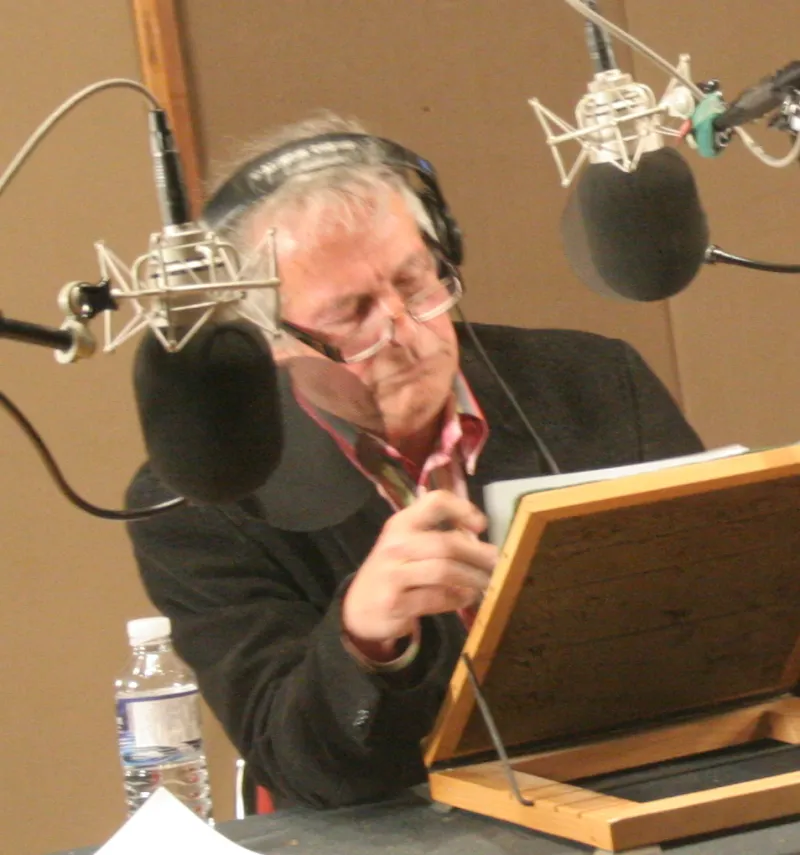
Photo: Kat Baulu, CC BY 2.0, via Wikimedia Commons
There is a moment in every voice-acting panel when someone asks the big question: how do I make a character feel real? Meiko Haigou rarely answers with a lecture about accents or pitch. Instead, she gives the room a assignment that sounds almost too simple. Build a scene with no dialogue. Use only breath, a gasp, a laugh, a pause — and then, at the very end, add one line.
The exercise has become a favorite among fans who catch her at U.S. conventions, and it works just as well at a kitchen table with a USB mic. It is not about proving you can do a funny voice. It is about learning what your character is doing in the space between words.
Why Silence Reads as Character
A lot of new voice actors treat silence like dead air. They rush to fill it. Meiko treats it as information. A sharp inhale can tell the audience a character is nervous. A half-laugh can say they are lying. A pause that lasts a beat too long can make a friendly line feel threatening.
That is why the quiet drill matters. When you strip away dialogue, you cannot hide behind a clever read. You have to decide what the character wants, what they are afraid of, and how their body reacts before they speak. The audience hears that decision even if they never consciously notice it.
Meiko’s version of the exercise is flexible, but the structure is tight. Pick a short scene — roughly seven seconds of sound, not counting the final line. No words until the last moment. Then give the character one sentence. That is it.
The Drill, Step by Step
Here is how to try it at home.
1. Choose a tiny situation. Do not start with a epic battle. Start with something small: someone opening a letter, waiting for a text back, or standing outside a door they are scared to knock on. The smaller the situation, the easier it is to hear what the silence is doing.
2. Write the silence first. Before you write the line, list the sounds. Maybe it is a breath through the nose, a swallow, a soft laugh, a long pause, and then a shaky exhale. Keep it to three or four sounds. Too many and the scene turns into a sound-effects showcase.
3. Record it without judging. Use your phone or your home setup. Do not add music. Do not add reverb. Just capture the sounds and the final line. If you mess up, keep going. The point is to hear the shape of the scene, not to post a perfect take.
4. Listen for the story. Play it back and ask yourself: what is this person feeling before they speak? If you cannot tell, the silence needs a clearer intention. Maybe the breath is too even. Maybe the pause has no weight. Adjust one thing, not five.
5. Add the line last. The final line should feel like it belongs to the silence, not like it wandered in from a different scene. A quiet “I’m fine” hits differently after a shaky breath than it does after a relaxed laugh. That is the whole lesson.
Mic Technique When There Are No Words
Meiko points out that silence-heavy scenes are a great way to test mic technique because every small sound is exposed. A gasping breath six inches from the capsule can sound like a windstorm. A laugh aimed straight at the pop filter can clip. The goal is not to remove all breath sounds — that would make the performance feel plastic. The goal is to control them.
Try working slightly off-axis for heavy breaths, or angle the mic a little above your mouth. Keep your distance consistent. If you are recording at home, a blanket fort or a closet full of coats is still one of the cheapest and most effective ways to tame room echo. And do not be afraid to record the silence pass separately from the final line. Many professional sessions do exactly that.
What to Bring to a Panel
If you are trying this at a convention, keep it light. Bring a short scene prompt, a phone for recording, and one line of dialogue. That is enough. Meiko often encourages pairs to try the drill together: one person performs the silence, the other listens and guesses the situation. The guesses are usually funny, and they reveal exactly what the silence communicated.
For fans who want to share the exercise online, the best clips are not the most dramatic ones. They are the clearest ones. A seven-second scene that makes a stranger lean in is worth more than a minute of dramatic breathing with no point.
A Small Exercise With a Long Reach
The quiet drill is not a trick for avoiding dialogue. It is a way to make dialogue matter more. When you know what your character does before they speak, the line lands with weight. When you know how they breathe, the audience believes them. And when you can hold a pause without panicking, you stop performing at the mic and start living in the scene.
Meiko’s advice to newcomers is simple: do not wait for the perfect script. Take seven seconds of silence, fill it with intention, and let one line do the rest.